Year Start Strategies
Build a strong foundation for successful multi-subject teaching with comprehensive first week activities, community building exercises, and routine establishment strategies for PE, Science, and Social Studies.
Foundation for Success
Community Building
Creating a positive, inclusive classroom community where all students feel valued and connected.
- Getting-to-know-you activities
- Establishing classroom culture and values
- Building relationships between students
- Creating a sense of belonging
- Celebrating diversity and individual strengths
Routine Establishment
Setting up consistent, efficient routines that support learning across all subject areas.
- Daily schedule and transitions
- Subject-specific procedures
- Material management systems
- Communication protocols
- Emergency and safety procedures
First Week Timeline
Community Building Activities
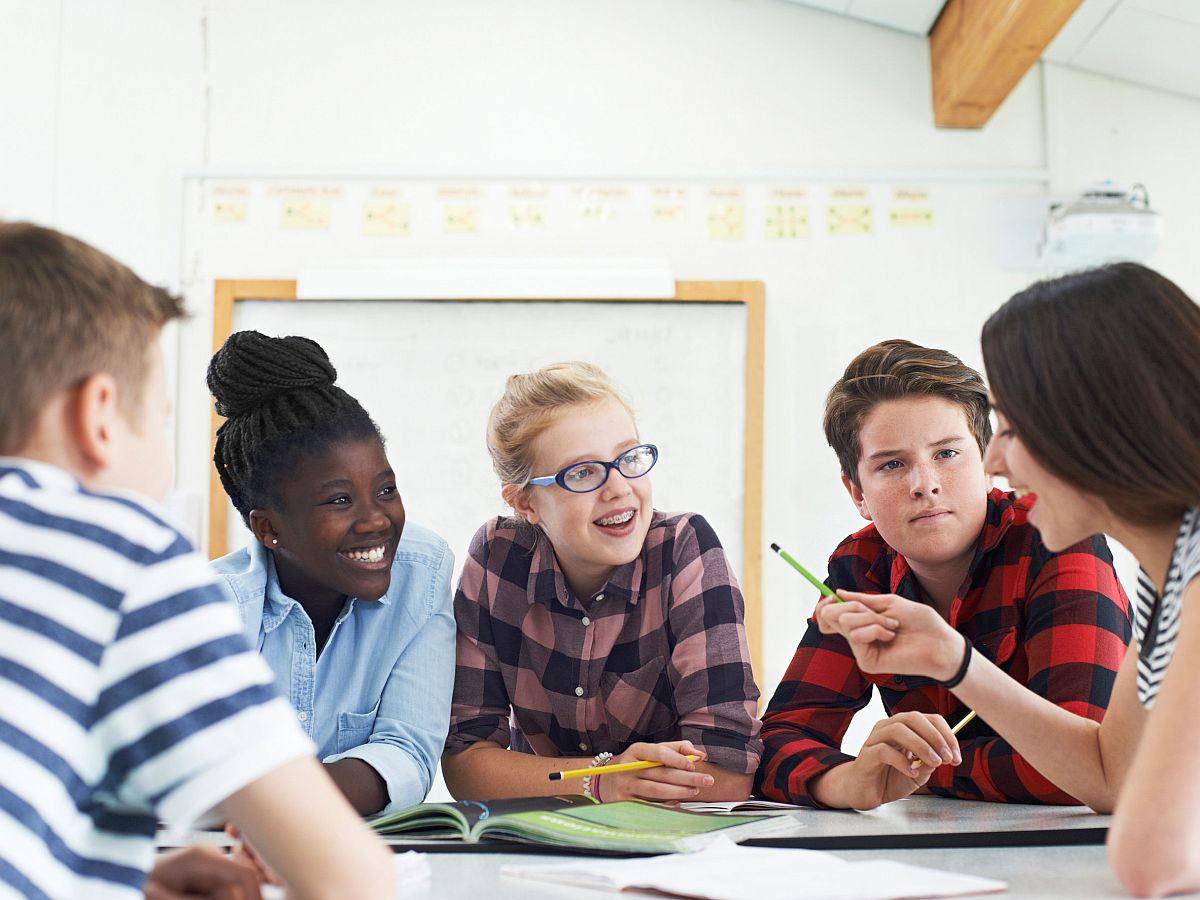
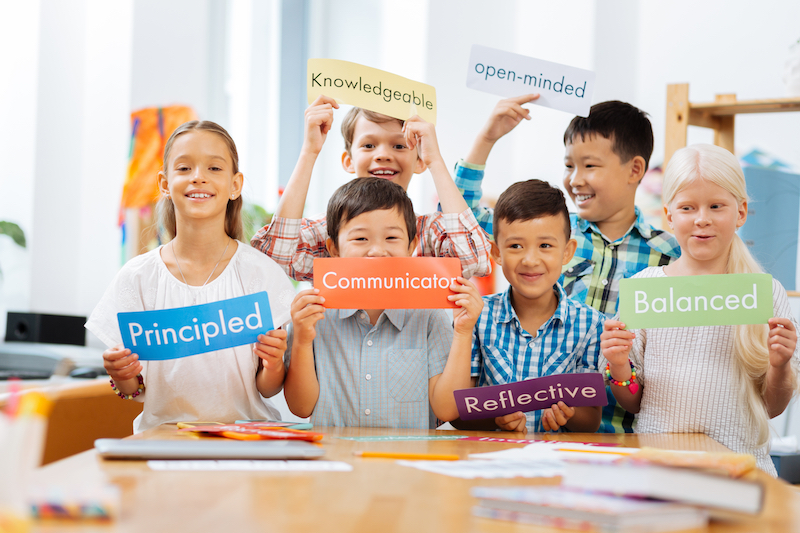
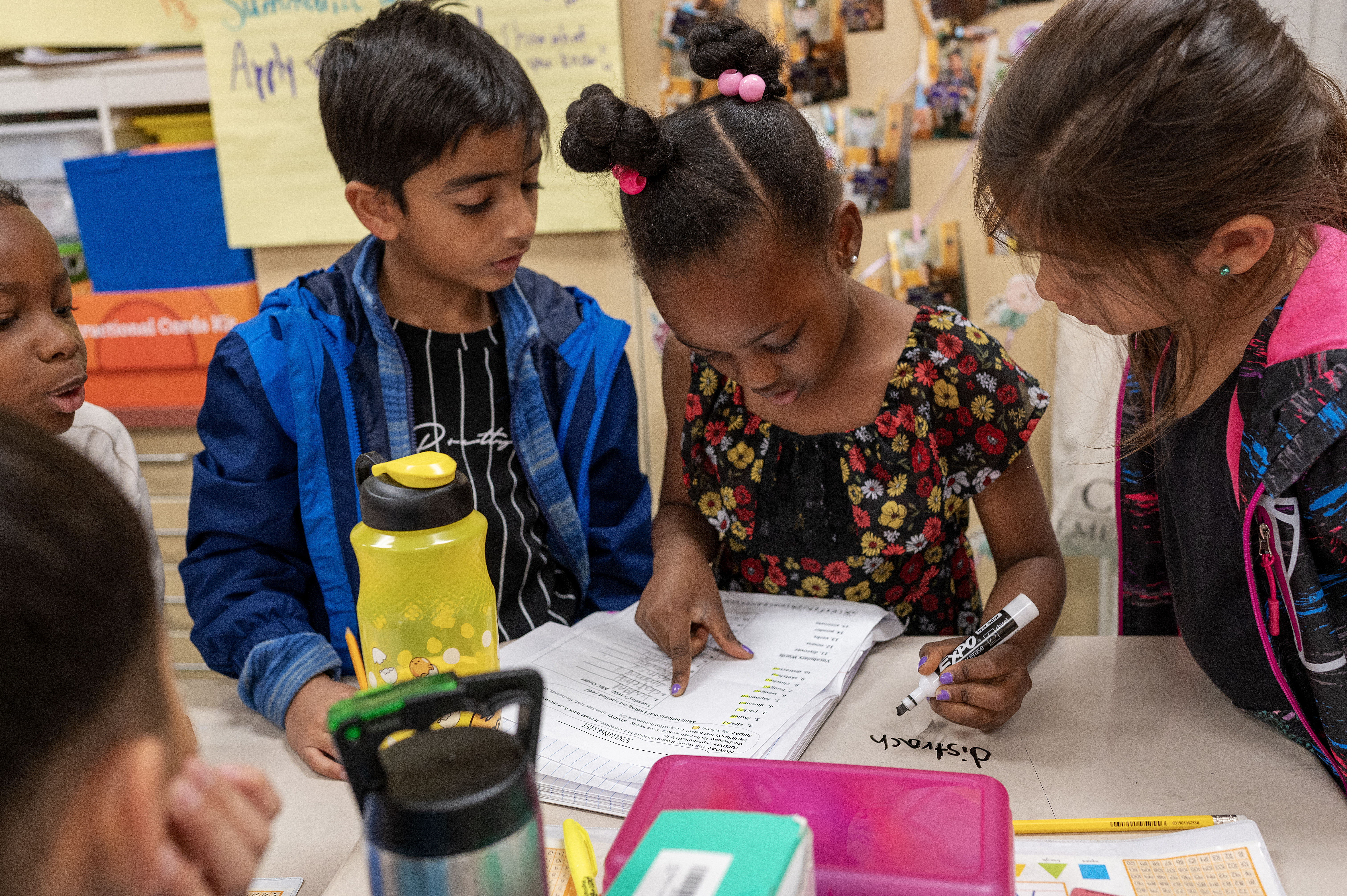
Interactive Games
Fun, engaging activities that help students connect and learn about each other.
- Human bingo with personal interests
- Two truths and a lie variations
- Scavenger hunts for commonalities
- Name games and memory challenges
- Movement-based introduction activities
Creative Expression
Artistic and creative activities that allow students to share their personalities.
- Personal coat of arms creation
- Classroom quilt or banner projects
- Self-portrait galleries with interests
- Story sharing and personal narratives
- Cultural celebration and sharing
Collaborative Challenges
Team-building activities that require cooperation and communication.
- Problem-solving challenges and puzzles
- Group building and construction tasks
- Cooperative games and activities
- Class goal setting and achievement
- Service learning and community projects
Baseline Assessment and Goal Setting
Learning Assessments
Non-threatening ways to understand student starting points and learning needs.
- Interest and learning style inventories
- Prior knowledge activation activities
- Skill-based observations and checklists
- Portfolio setup and initial entries
- Informal assessment through play and interaction
Goal Setting
Helping students set meaningful, achievable goals for their learning journey.
- SMART goal introduction and practice
- Academic and social goal development
- Visual goal tracking systems
- Regular check-ins and adjustments
- Celebration of goal achievement
Family Connections
Building strong home-school partnerships from the beginning of the year.
- Welcome letters and information packages
- Family survey and communication preferences
- Meet the teacher events and activities
- Home learning support and resources
- Regular communication and updates
Subject-Specific Year Start Integration
PE Integration
Using physical activities to build community and establish routines.
- Name games with movement
- Cooperative physical challenges
- Team-building through sports and games
- Fitness goal setting and tracking
- Inclusive activity modifications
Science Integration
Using scientific inquiry to explore classroom community and procedures.
- Observation skills through people watching
- Data collection about class preferences
- Hypothesis formation about learning
- Investigation of classroom environment
- Scientific method introduction through community building