Science & Technology Resources

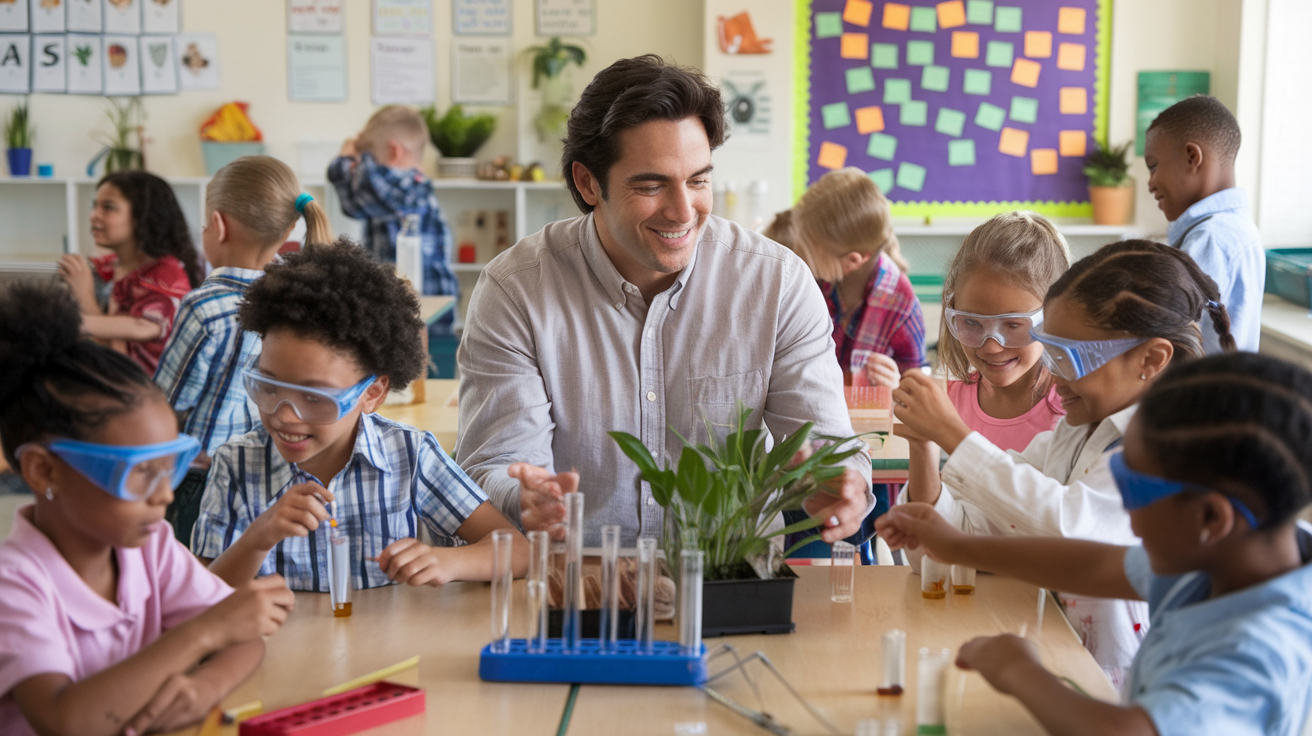
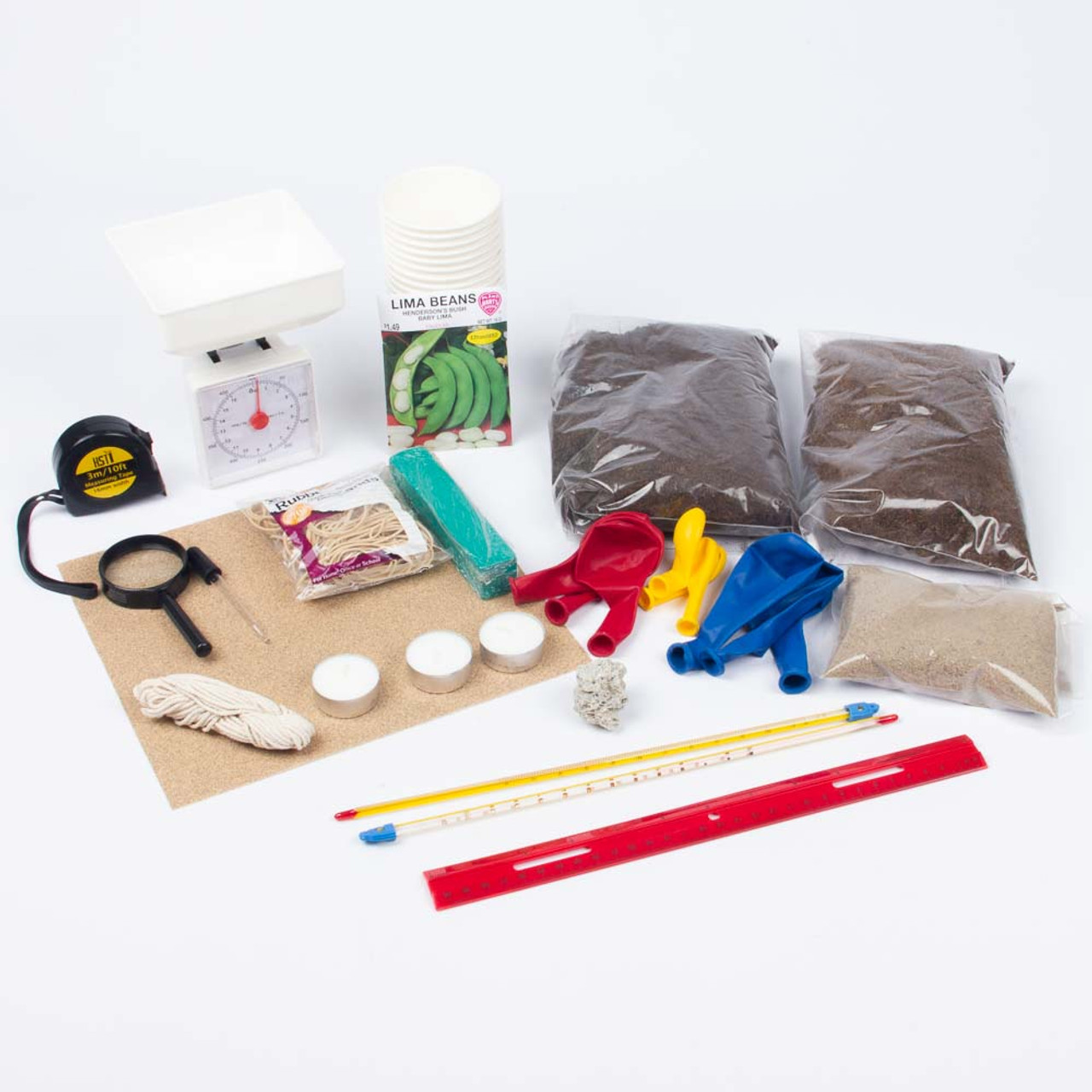
Hands-on, inquiry-based science learning for grades 3-4 aligned with Ontario curriculum expectations. Engage students in meaningful investigations and develop scientific thinking skills.

🔬

Science & Technology Overview

🎯

Program Focus

Inquiry-Based Learning: Students engage in hands-on investigations that develop scientific thinking and problem-solving skills.

STEM Integration: Activities connect science, technology, engineering, and mathematics concepts through real-world applications.

Safety First: All activities include comprehensive safety protocols and risk management procedures.

📊

Curriculum Coverage

  • Grade 3: 4 major units covering life, physical, and earth sciences
  • Grade 4: 4 comprehensive units with technology integration
  • Cross-curricular connections to math, language, and social studies
  • Indigenous perspectives and environmental stewardship
  • Assessment tools aligned with Ontario curriculum expectations
📋

Scope & Sequence Overview

🌱

Grade 3 Focus Areas

Life Systems: Growth and Changes in Plants

Matter and Energy: Forces Causing Movement

Structures and Mechanisms: Strong and Stable Structures

Earth and Space Systems: Soils in the Environment

Each unit includes hands-on investigations, technology connections, and real-world applications.

🔬

Grade 4 Focus Areas

Life Systems: Habitats and Communities

Matter and Energy: Light and Sound

Structures and Mechanisms: Pulleys and Gears

Earth and Space Systems: Rocks and Minerals

Advanced investigations building on Grade 3 foundations with increased complexity and independence.

🌿

Grade 3 Science Units

Unit 1: Growth and Changes in Plants

🌱

Key Concepts

  • Plant parts and their functions
  • Life cycle of plants
  • Factors affecting plant growth
  • Plants as living things with basic needs
  • Human uses of plants
🔍

Investigations

  • Seed germination experiments
  • Plant growth under different conditions
  • Observing and recording plant changes
  • Comparing different types of plants
  • Creating plant life cycle diagrams
🛠️

Technology Connections

  • Digital microscopes for plant observation
  • Time-lapse photography of plant growth
  • Online plant identification tools
  • Data collection apps for growth measurements
  • Virtual garden design software

Unit 2: Forces Causing Movement

Key Concepts

  • Push and pull forces
  • Effects of forces on objects
  • Friction and its effects
  • Magnetic forces
  • Safety considerations with forces
🔍

Investigations

  • Testing different surfaces for friction
  • Magnetic force experiments
  • Measuring force with spring scales
  • Investigating motion on inclined planes
  • Building and testing simple machines

Unit 3: Strong and Stable Structures

🏗️

Key Concepts

  • Properties of strong structures
  • Stability in structures
  • Materials and their properties
  • Natural and human-made structures
  • Design process and problem-solving
🔍

Investigations

  • Building and testing tower structures
  • Comparing strength of different materials
  • Designing earthquake-resistant structures
  • Testing load-bearing capacity
  • Creating stable bridge designs

Unit 4: Soils in the Environment

🌍

Key Concepts

  • Composition and properties of soil
  • Different types of soil
  • Soil formation processes
  • Importance of soil for living things
  • Human impact on soil
🔍

Investigations

  • Soil composition analysis
  • Testing soil drainage rates
  • Comparing soils from different locations
  • Investigating earthworm habitats
  • Creating compost systems
🔬

Grade 4 Science Units

Unit 1: Habitats and Communities

🦋

Key Concepts

  • Habitats and their characteristics
  • Interdependence of living things
  • Food chains and food webs
  • Adaptation to environments
  • Human impact on habitats
🔍

Investigations

  • Local habitat surveys
  • Creating food web diagrams
  • Animal adaptation studies
  • Biodiversity assessments
  • Conservation project planning

Unit 2: Light and Sound

💡

Key Concepts

  • Properties of light and sound
  • How light and sound travel
  • Reflection and refraction
  • Sources of light and sound
  • Applications in daily life
🔍

Investigations

  • Light reflection experiments
  • Sound transmission tests
  • Creating optical devices
  • Musical instrument construction
  • Shadow and color investigations

Unit 3: Pulleys and Gears

⚙️

Key Concepts

  • Simple machines and their functions
  • Mechanical advantage
  • Gear systems and ratios
  • Pulley systems and applications
  • Design and problem-solving
🔍

Investigations

  • Building pulley systems
  • Testing gear combinations
  • Measuring mechanical advantage
  • Designing lifting devices
  • Creating moving machines

Unit 4: Rocks and Minerals

💎

Key Concepts

  • Properties of rocks and minerals
  • Rock cycle and formation
  • Identification techniques
  • Uses of rocks and minerals
  • Earth's geological processes
🔍

Investigations

  • Rock and mineral identification
  • Hardness and streak tests
  • Crystal growing experiments
  • Erosion and weathering simulations
  • Local geology field studies
📊

Assessment Strategies

📝

Formative Assessment

Ongoing assessment tools for monitoring student learning:

  • Science journal observations and reflections
  • Exit tickets and quick checks
  • Peer discussions and explanations
  • Hands-on investigation checkpoints
  • Digital portfolio documentation
🎯

Summative Assessment

Comprehensive evaluation tools aligned with curriculum expectations:

  • Unit tests with multiple question types
  • Performance-based investigations
  • Science fair projects
  • Presentation and communication assessments
  • Portfolio-based evaluations
👥

Self and Peer Assessment

Tools for developing student ownership of learning:

  • Self-reflection rubrics
  • Peer feedback protocols
  • Goal-setting and progress tracking
  • Scientific thinking checklists
  • Collaboration evaluation tools
🛡️

Safety Protocols

⚠️

Laboratory Safety

Essential safety procedures for science investigations:

  • Safety equipment and protective gear
  • Chemical and material handling procedures
  • Emergency response protocols
  • Student safety contracts and agreements
  • Risk assessment for all activities
🔍

Investigation Guidelines

Safe practices for hands-on learning:

  • Pre-investigation safety checks
  • Proper tool and equipment usage
  • Supervision and monitoring protocols
  • Clean-up and disposal procedures
  • Documentation and reporting systems