Physical Education Resources
Comprehensive PE resources for Ontario elementary teachers covering grades K-8 with multi-grade activities, inclusive practices, and curriculum-aligned programming.
Physical Education Overview
Program Focus
Multi-Grade Approach: Designed for K-8 implementation with differentiated activities for various skill levels and developmental stages.
Inclusive Programming: Activities adapted for diverse learners with modifications and extensions for all students.
Curriculum Alignment: All activities align with Ontario Physical Education curriculum expectations and learning goals.
Key Statistics
- Coverage: Grades K-8 (9 grade levels)
- Activity Categories: 6 major movement areas
- Seasonal Programming: 4 distinct units per year
- Assessment Tools: Comprehensive evaluation rubrics
- Safety Protocols: Detailed risk management procedures
Scope & Sequence
Sample Lesson Plans
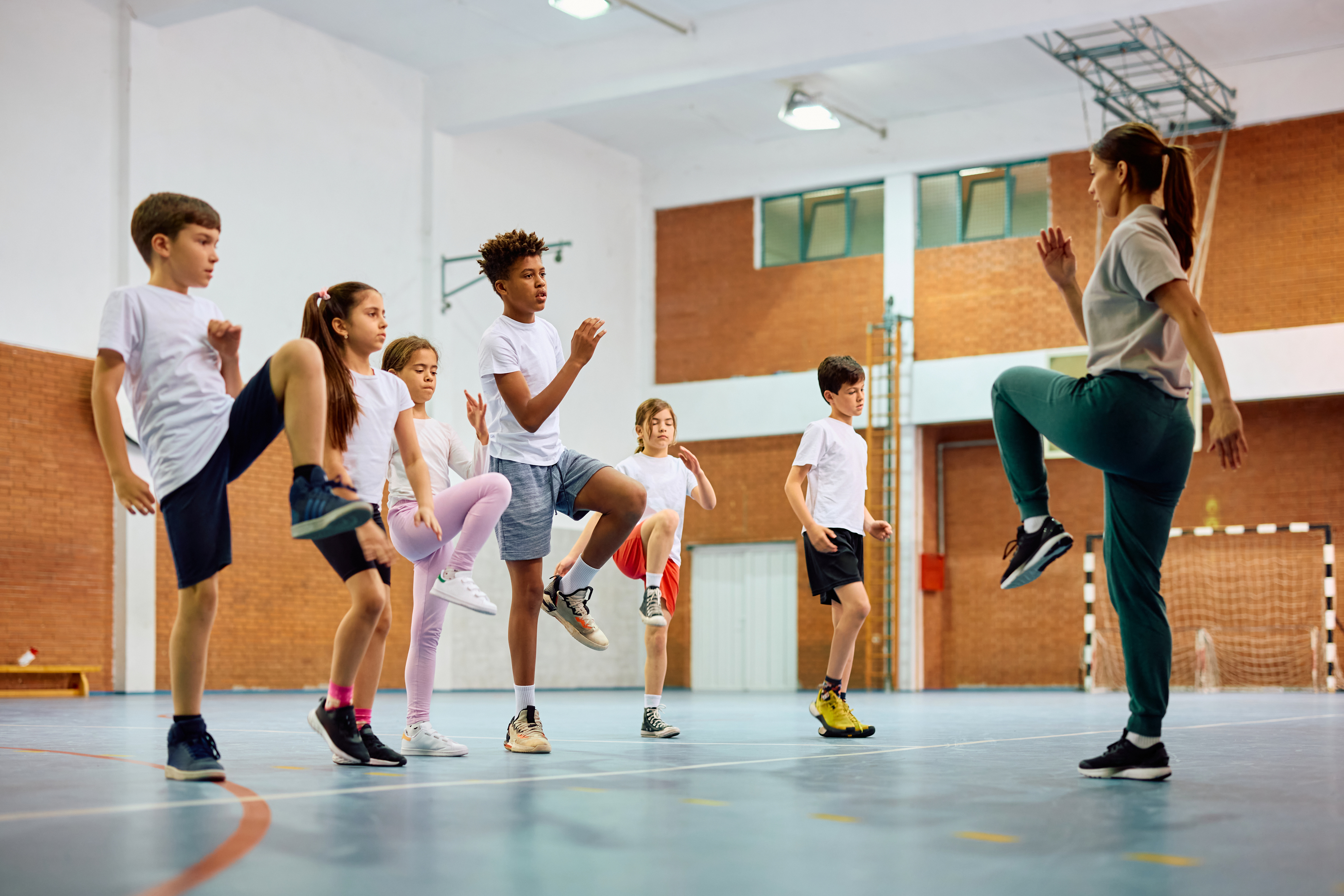
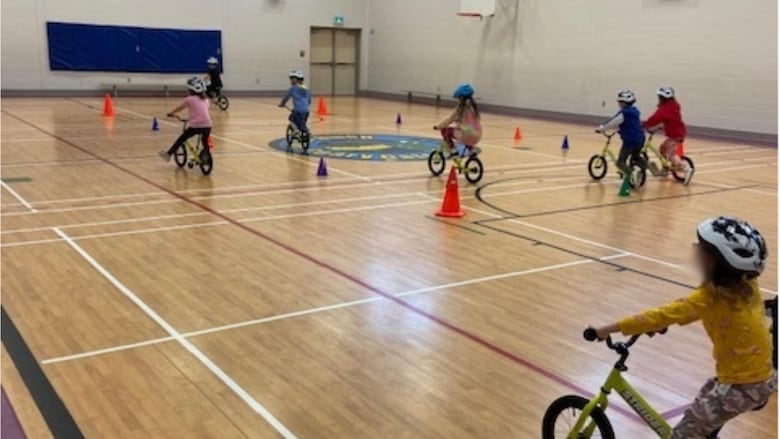

Fundamental Movement Skills
Grade Level: K-3 (adaptable for all grades)
Duration: 30-40 minutes
Equipment: Cones, bean bags, hoops, scarves
Learning Goals:
- Develop locomotor skills (running, jumping, hopping)
- Practice object control (throwing, catching)
- Improve balance and coordination
- Follow safety rules and procedures
Team Sport Introduction
Grade Level: 4-6
Duration: 40-50 minutes
Equipment: Basketballs, pinnies, cones
Learning Goals:
- Learn basic basketball skills (dribbling, passing, shooting)
- Understand team cooperation and strategy
- Practice fair play and sportsmanship
- Develop cardiovascular fitness
Gymnastics and Movement
Grade Level: All grades (differentiated)
Duration: 45 minutes
Equipment: Mats, balance beams, vault box
Learning Goals:
- Develop flexibility and strength
- Practice balance and coordination
- Learn basic gymnastics skills
- Build confidence in movement
Assessment Tools
Skill Development Rubrics
Comprehensive rubrics for assessing fundamental movement skills across all grade levels.
- Locomotor skills assessment
- Object control evaluation
- Balance and coordination tracking
- Progress monitoring tools
Participation and Effort
Tools for evaluating student engagement, effort, and participation in PE activities.
- Daily participation tracking
- Effort and attitude assessment
- Teamwork and cooperation evaluation
- Self-reflection tools for students
Fitness Testing
Age-appropriate fitness assessments aligned with Ontario curriculum expectations.
- Cardiovascular endurance tests
- Strength and flexibility measures
- Personal goal setting
- Progress tracking over time
Gymnasium Management
Safety Protocols
Essential safety procedures for gymnasium and outdoor activities.
- Equipment inspection procedures
- Emergency action plans
- Injury prevention strategies
- First aid protocols
Routine Establishment
Effective routines for smooth PE class management.
- Entry and exit procedures
- Equipment distribution systems
- Attention signals and commands
- Transition strategies
Inclusive Practices
Strategies for including all students in PE activities.
- Adaptive equipment and modifications
- Differentiated instruction techniques
- Peer support systems
- Alternative assessment methods
Equipment and Materials
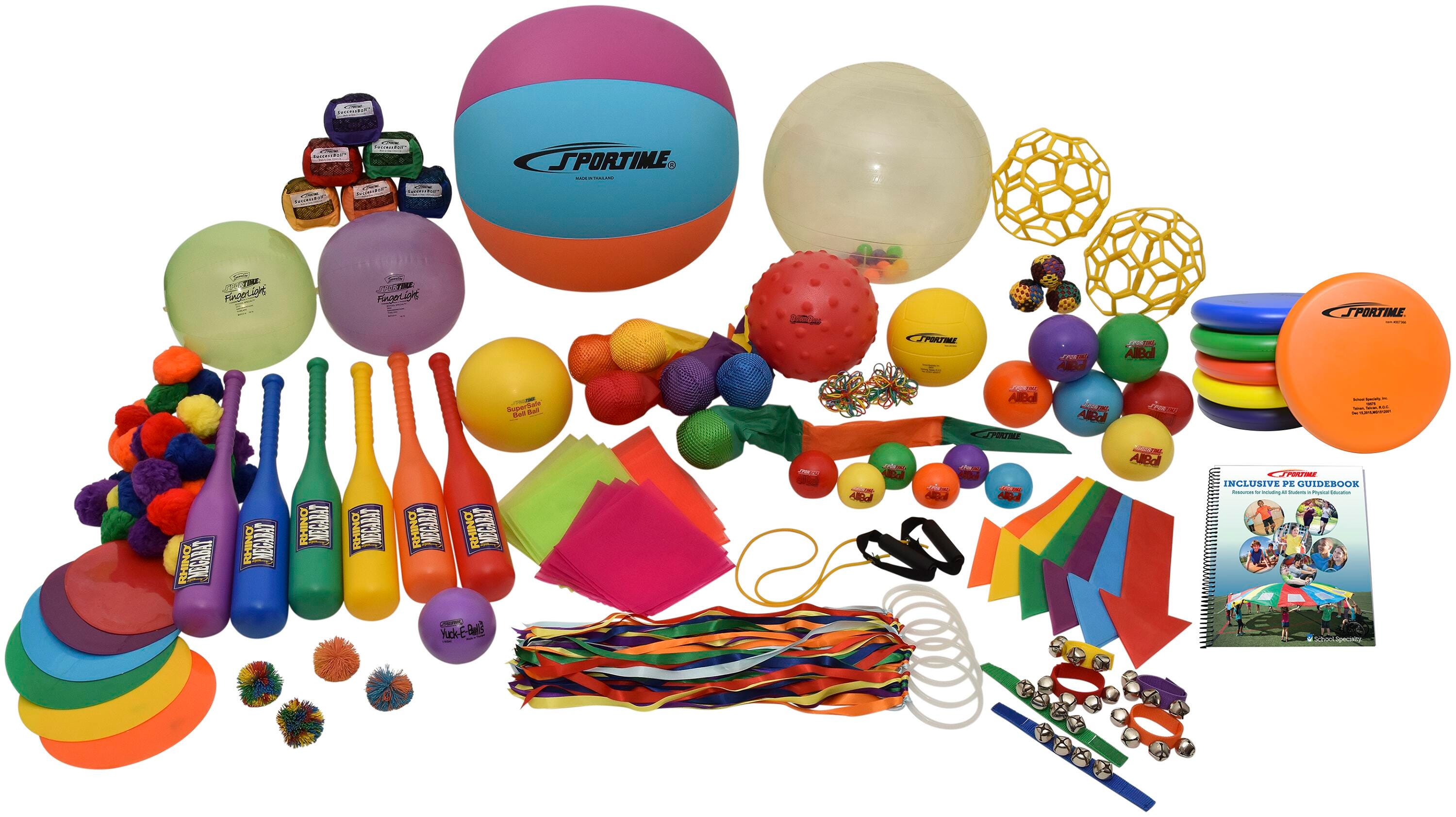
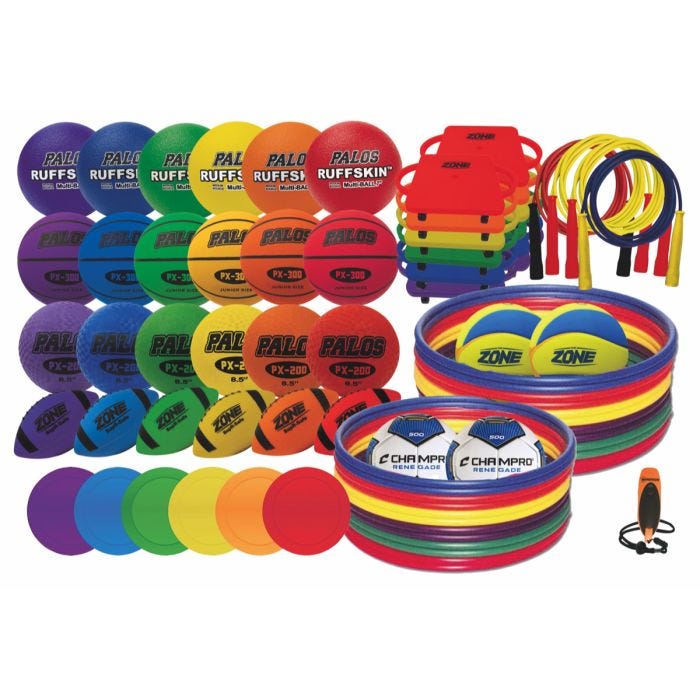
Essential Equipment List
Comprehensive list of equipment needed for effective PE programming.
- Balls: basketballs, soccer balls, volleyballs, playground balls
- Equipment: cones, hoops, ropes, parachutes
- Gymnastics: mats, balance beams, vault equipment
- Storage: bins, racks, organization systems
Maintenance and Care
Guidelines for maintaining PE equipment and ensuring longevity.
- Daily equipment checks
- Cleaning and sanitization procedures
- Storage best practices
- Replacement scheduling